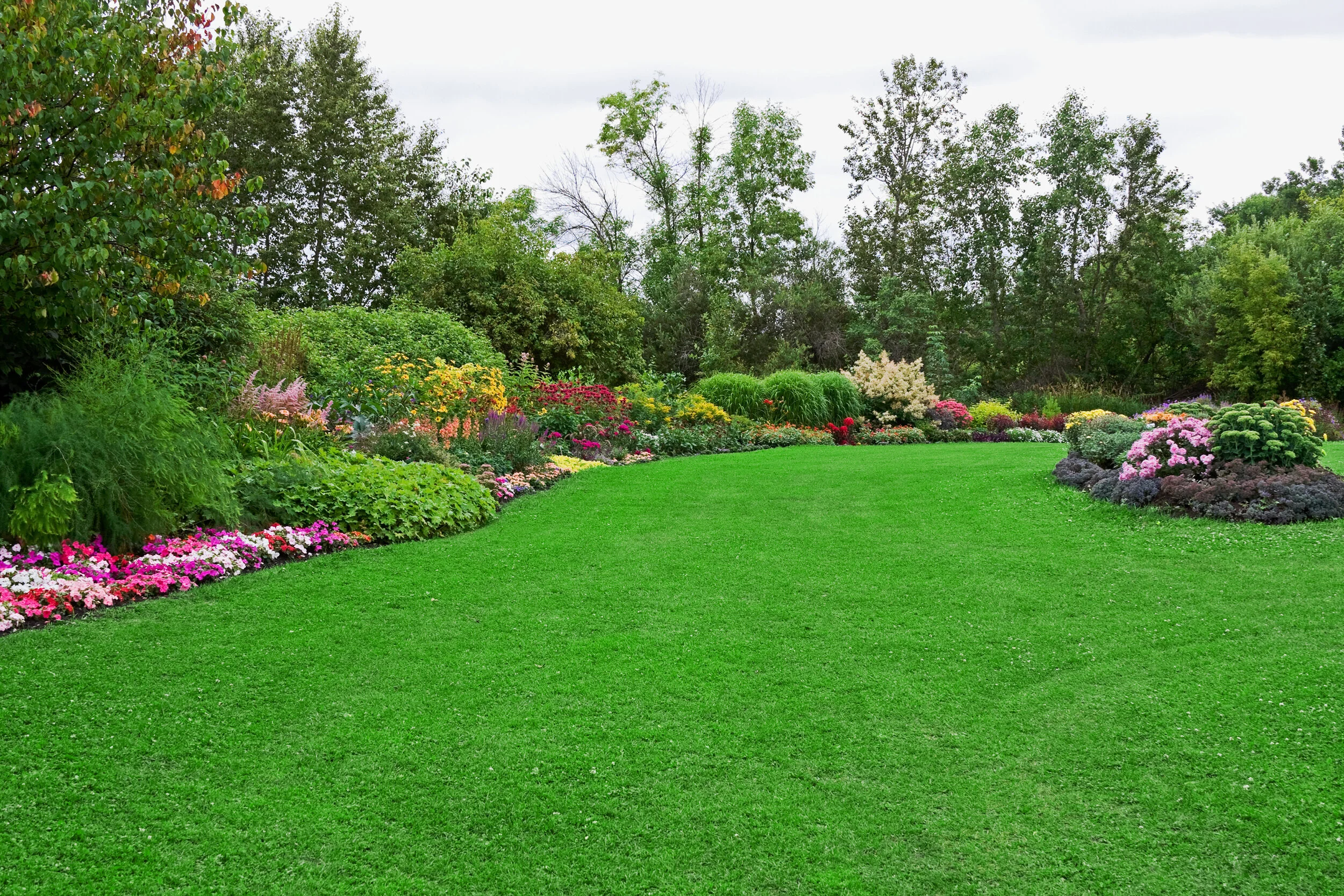
Lawn Care
Maintaining a quality lawn requires four things:
1. Regular mowing
2. Weeding and weed suppression
3.Moss suppression
4. And most importantly, regular feeding
Doing all these things may sound like a great deal of work, however not all need to be undertaken every week. Lawn mowing and feeding are required regularly in order to maintain a lawn’s health and vigour.
Mowing Lawns
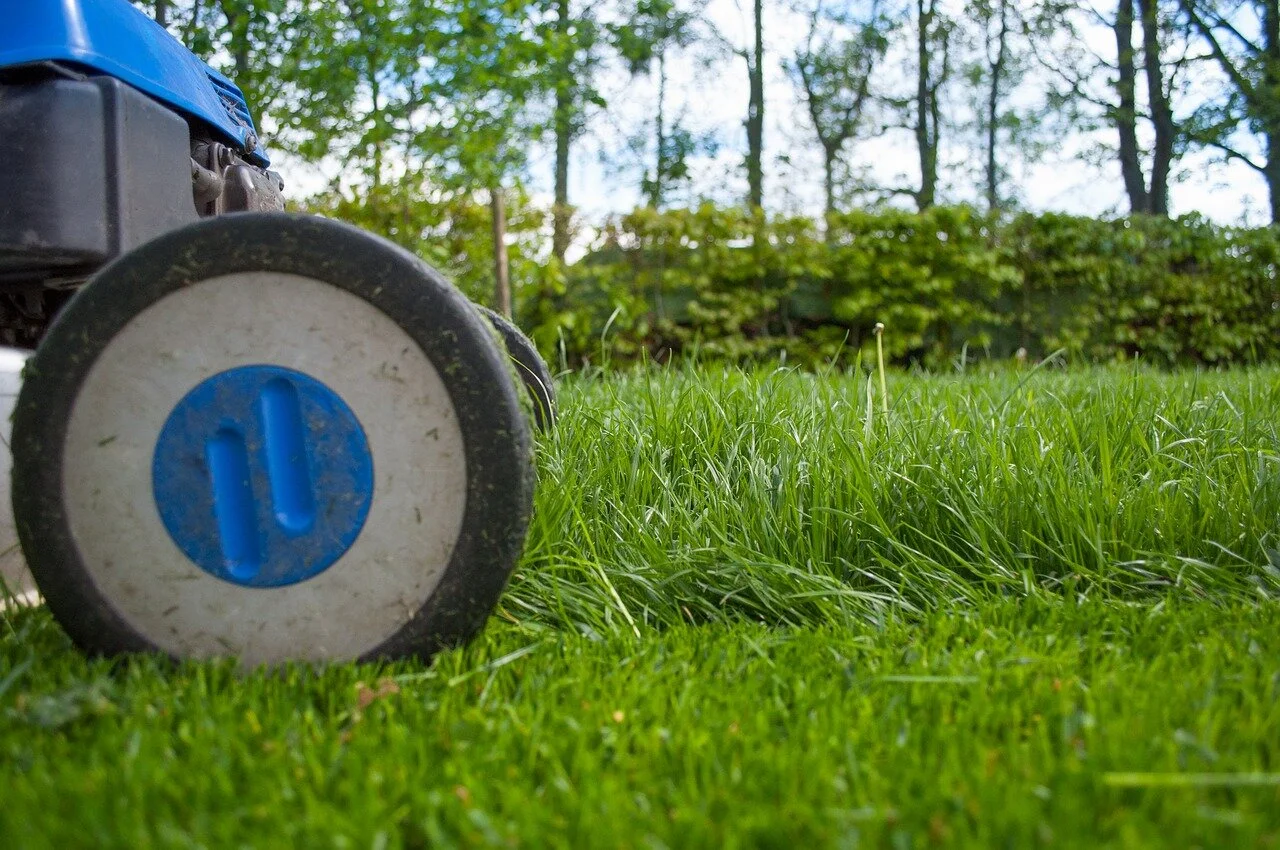
This should start in late February/March, weather permitting with a mow every 2-3 weeks. Once temperatures warm up and day length extends, feeding should commence. Once that happens you will need to mow every week to cope with the extra growth that feeding brings. This will continue over the spring and summer months and will help to keep the lawn in good health.
Removing moss and weeds from Lawns
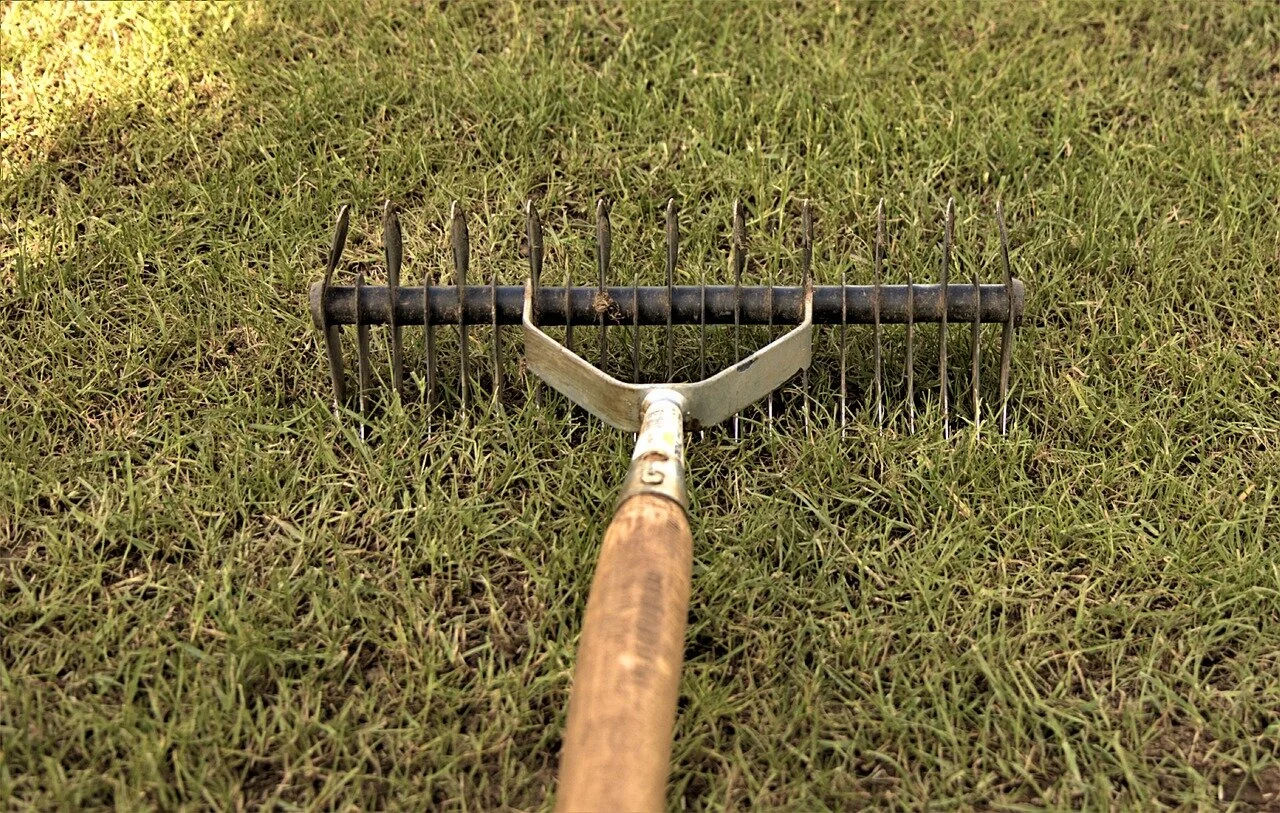
Moss is caused by damp, poorly drained lawns, acidic soil conditions, lack of feeding, insufficient aeration, shade and too close mowing. Moss looks unpleasant and affects a lawn’s vigour and sadly mowing spreads it very easily. Spring and autumn are the best times to remedy moss problems as this is when it is most active.
Moss can be coarse, loose, green or yellowish-green tufts between the grass; it can form densely matted tufts or, in some cases, grows like a lush green carpet, which becomes spongy to walk on.
Top Tip
Applying iron on a regular basis within a monthly feed will keep moss at low levels so it never has the chance to overtake the lawn. Plus it keeps the lawn looking vibrant green as iron is the major nutrient for chlorophyll in leaves.
Lawn weeds
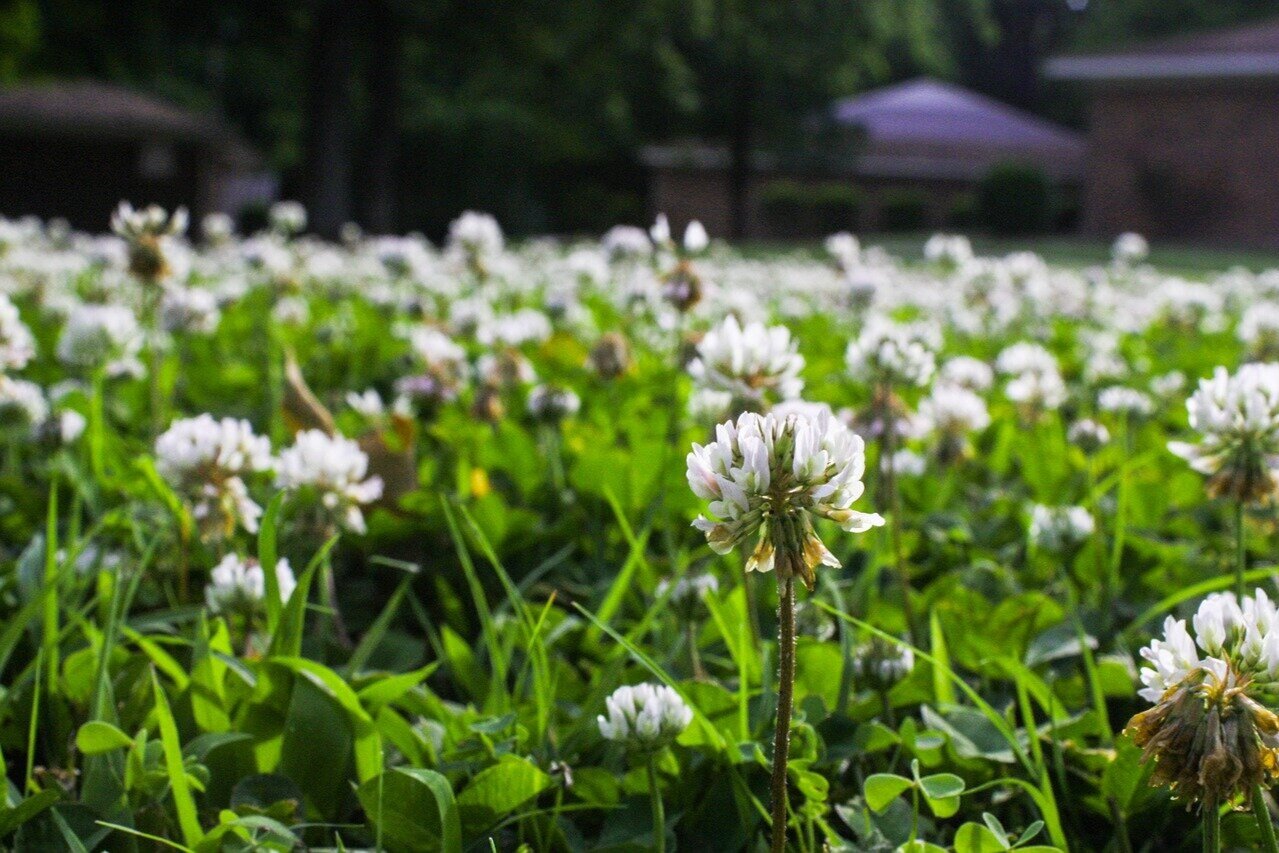
Weeds are invasive plants that compete with the grass for space to grow. These include the likes of clover and dandelions, thistles, coarse-leaved grasses, daisies and buttercups. The options for removal are regularly digging or pulling them out or by using chemical weed killers. For home owners semi regular applications of liquid weed killers are best for coverage and should be conducted with a sprayer for even application. The use of granular is okay as long as an accurate spreader is used to give even coverage. So many people apply by hand which leads to spots of scorched lawns due to over application which then makes lawns patchy.
Feeding Lawns (the important bit!)

Regular feeding during the spring and summer months is essential to keep lawns looking good and will increase vigour and sward density (number of leaves) to help prevent weeds and moss from establishing.
Both newly laid lawns and established lawns can be treated the same, as once the new lawn is laid it will rely on the soil below for nutrition. Unless you wish to be mowing every day, application of feed from your Gro-Expert pack only needs to be done on a monthly basis. Start once it is warm enough, normally March, and use a watering can so the feed is applied with plenty of water. The Gro-Expert pack contains an iron nutrient and a soil water retention aid so the lawns will look vibrant green, retain moisture and the feed will be evenly distributed under the grass.
Over-seeding Lawns
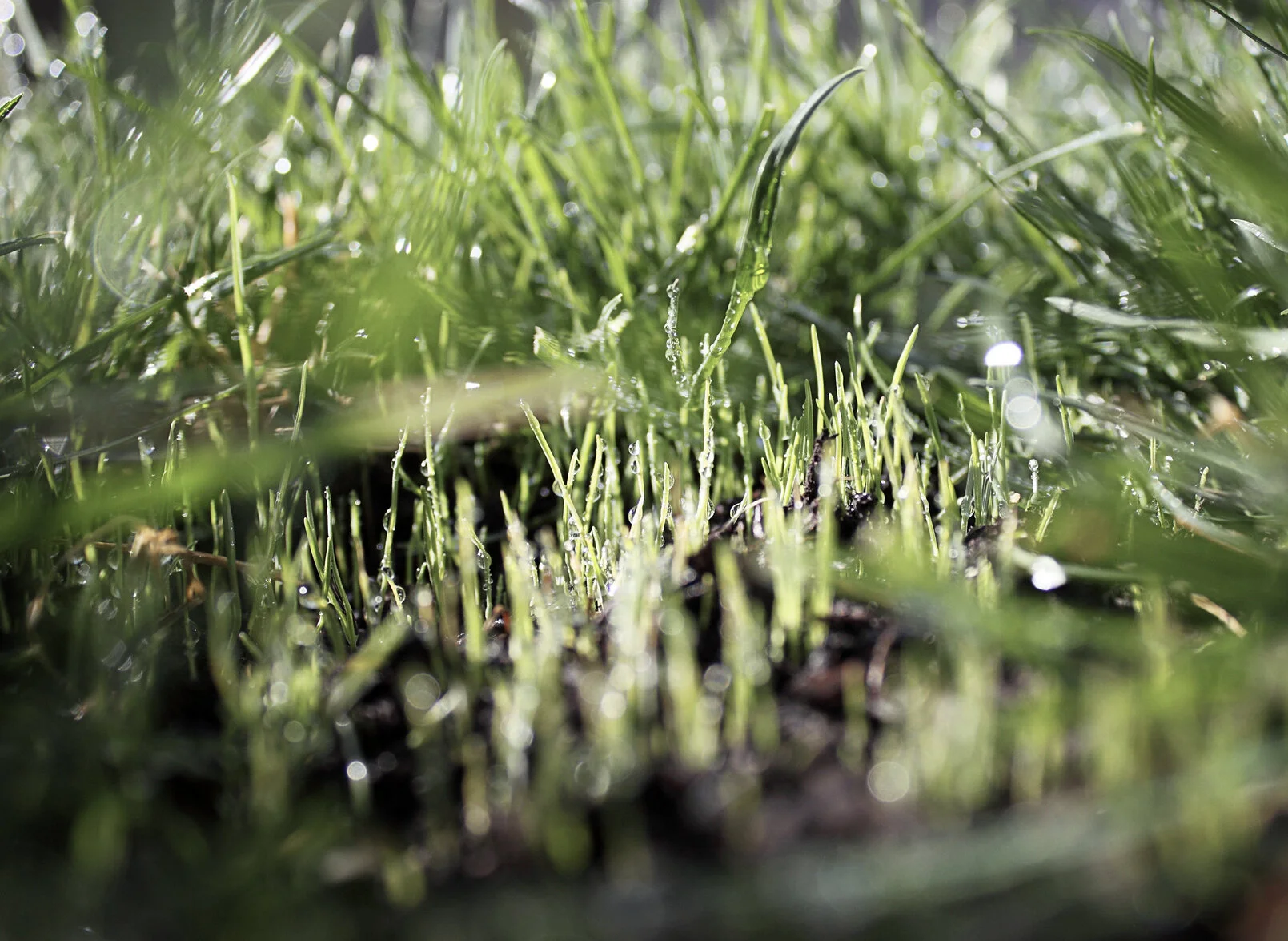
Where grass is sparsely growing due to moss invasion or where there are bald patches, over-seeding the lawn (sowing seeds over an established lawn) may well be necessary. Again early autumn or mid-spring are the best times for over-seeding as the grass will have time to grow and there is adequate moisture in the soil. Also birds are generally less likely to take too much of the seed before it has chance to grow.
Before applications of over-seeding seed are done, make sure the designated area has a reasonably good surface. Compacted soils are hard for grass seeds to germinate into so it is beneficial to give the area a light raking to rough the surface up a little. Apply the seed and lightly rake again to incorporate the seed into the surface and to even out any heavy handed application spots.
If a lawn needs repair again, do this in spring or autumn, when the weather is damp and cool, as these conditions are best for the recovery process. On a new area, make sure there is sufficient moisture in the soil, then rough up the surface of the soil and apply the seed as evenly as possible. Rake in to cover with as many seeds as you can and to hide from hungry birds, then cover with a net to scare away small animals and birds that may fancy a tasty snack. Ensure during dry periods of weather to gently water the seeded area.
Watering Lawns
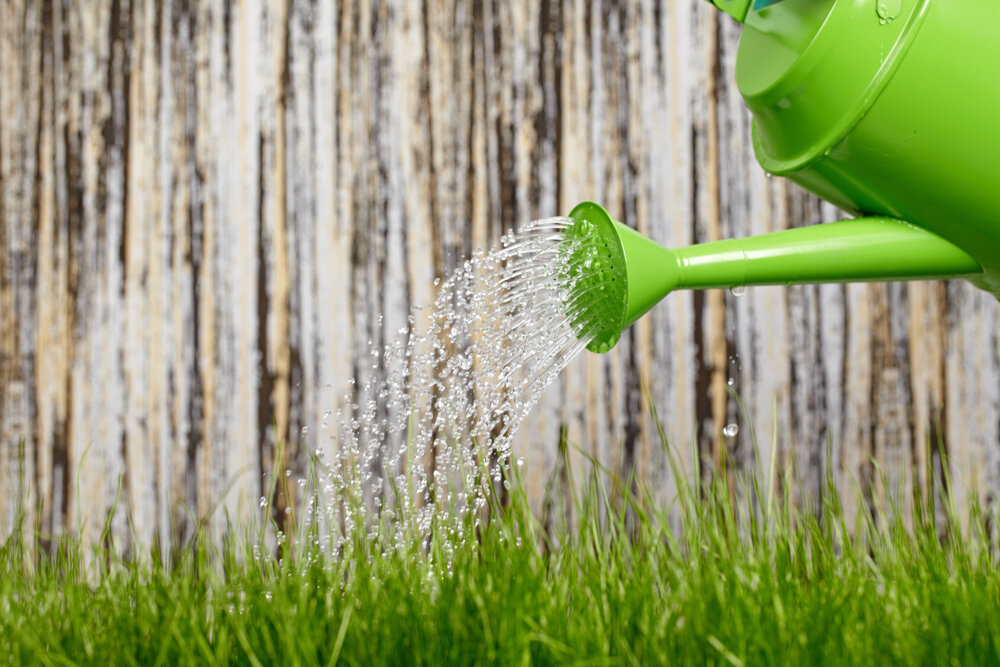
Watering in the UK is usually not necessary over summer except in Southern England. Even if lawns turn brown and look dry they generally recover well when rains return. However, as we recommend regular feeding to keep a lawn looking good, regular watering will help maintain a green sward. Applying the Gro-Expert nutrients and the Aqualatus moisture aid will help to maintain a green sward as well as improving grass vigour even through dry hot periods.
Top Tips
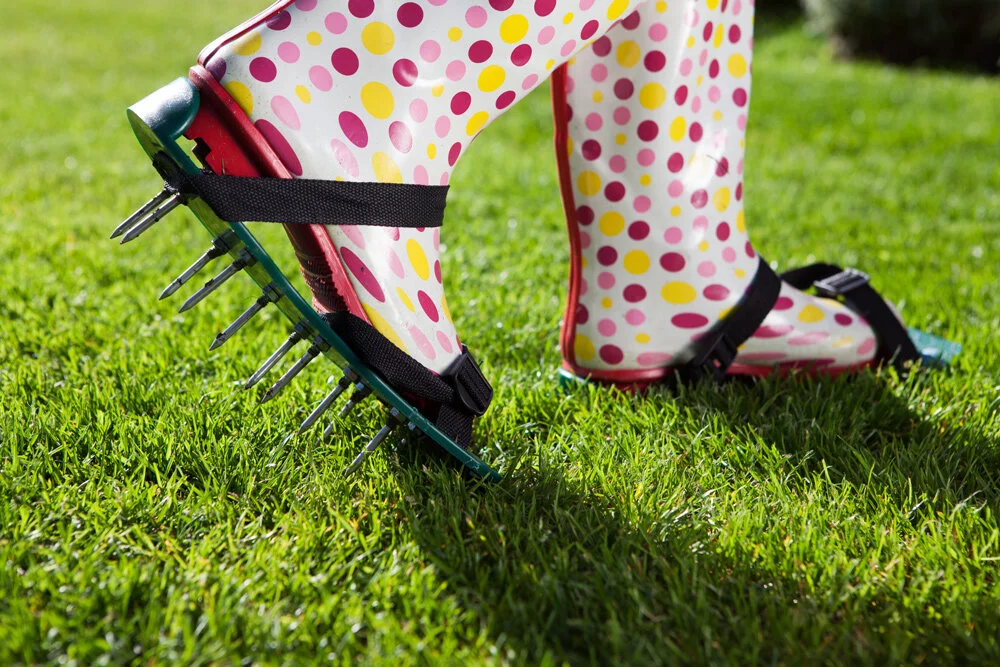
It’s always a good idea to aerate your lawn in the autumn and spring.
Regular feeding during spring and autumn will increase vigour and help prevent weeds and moss from establishing.
Don’t cut off more than a third of the grass blade every time you mow. Having a slightly taller lawn results in healthier grass and will stop that unsightly yellow look!
Keep mower blades sharp as blunt blades tear at the grass and pull on roots.
Water lawns in the evening in summer because evaporation from the sun will be less and the watering will have more benefit.