Growing Flowers
Flowers are best divided into two groups:
Perennials, plants that regrow every year.
Annuals, plants that grow for just one year.
Perennial flowers are those that continue to grow year after year. They die back in winter and remain dormant until the following spring. Perennial plants generally live for more than two years and continue growing until they reach maturity which can be up to 30 years.
Annuals on the other hand are very different in that they are typically are planted or sown in the spring and summer months, bloom for one season, produce seeds and then die. This main difference leads us to treat beds or pots they grow in very differently.
Annuals
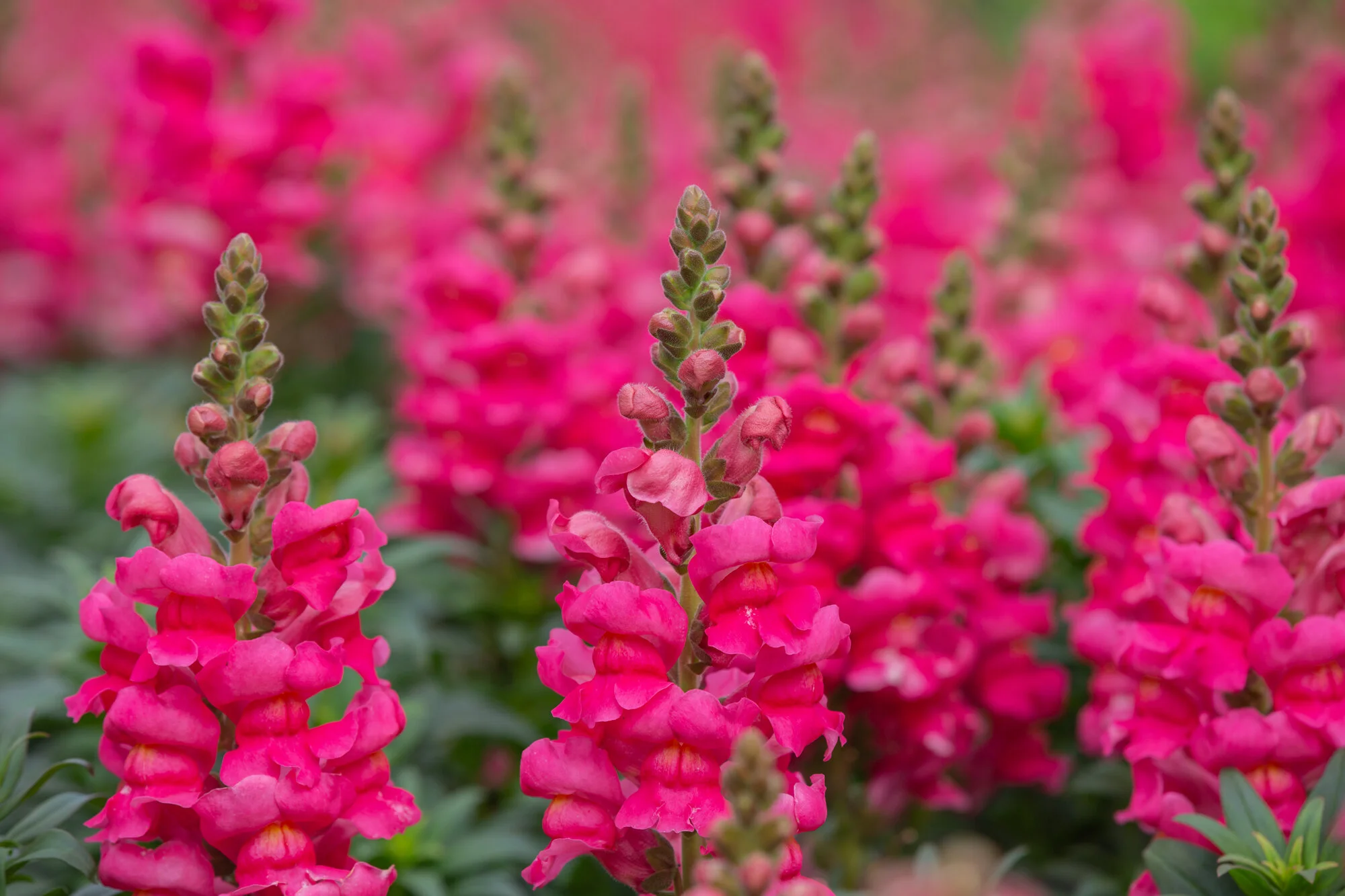
Annuals typically are less expensive than perennial flowers and are sold as seeds and plants at plant nurseries.
Annuals produce a lush display of colour from late spring when they’re planted or sown through the entire summer season.
Being only a single year plant, they require more work and attention.
Beds and pots need to be managed every year but this does allow for new ideas every year.
Seeds can be collected for the following season.
Plants need to be removed at the end of the season.
Perennials
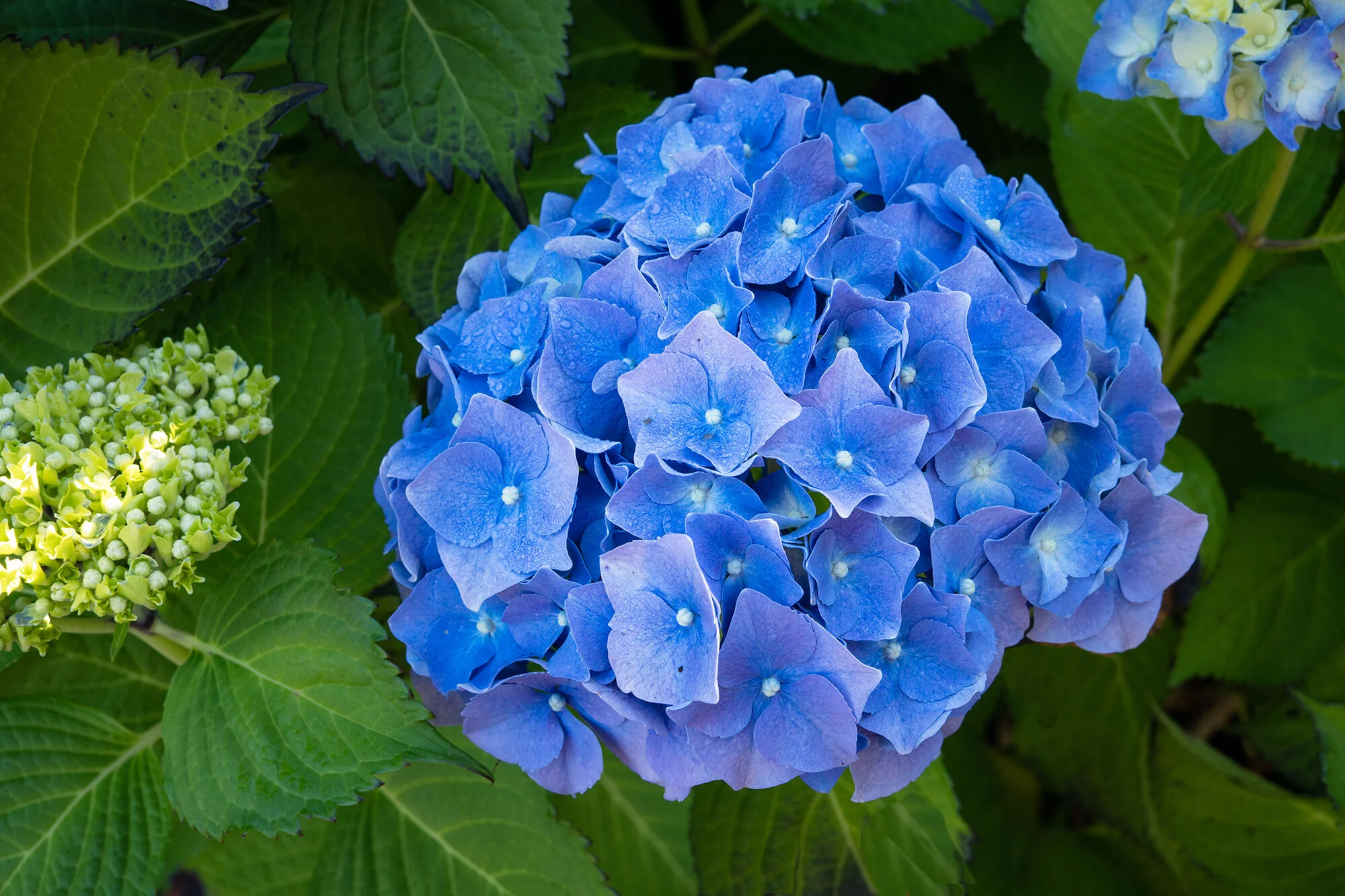
Perennials require less care when they’ve been planted in appropriate spots.
Perennials are almost always sold as plants in nurseries.
Need more nutrition as they grow larger each year to maturity.
Once flowering, perennial blooms will last up 4-8 weeks.
After about four years, perennials can be divided to make more plants.
Take time to bloom after they’ve been planted, and in some cases may not flower in the first year.
The shorter blooming season often leaves gardens lacking in colour at certain times.
Fast spreading perennials can be a great way to crowd out weeds, although they can become weeds themselves if not careful.
Best soil for Flowers
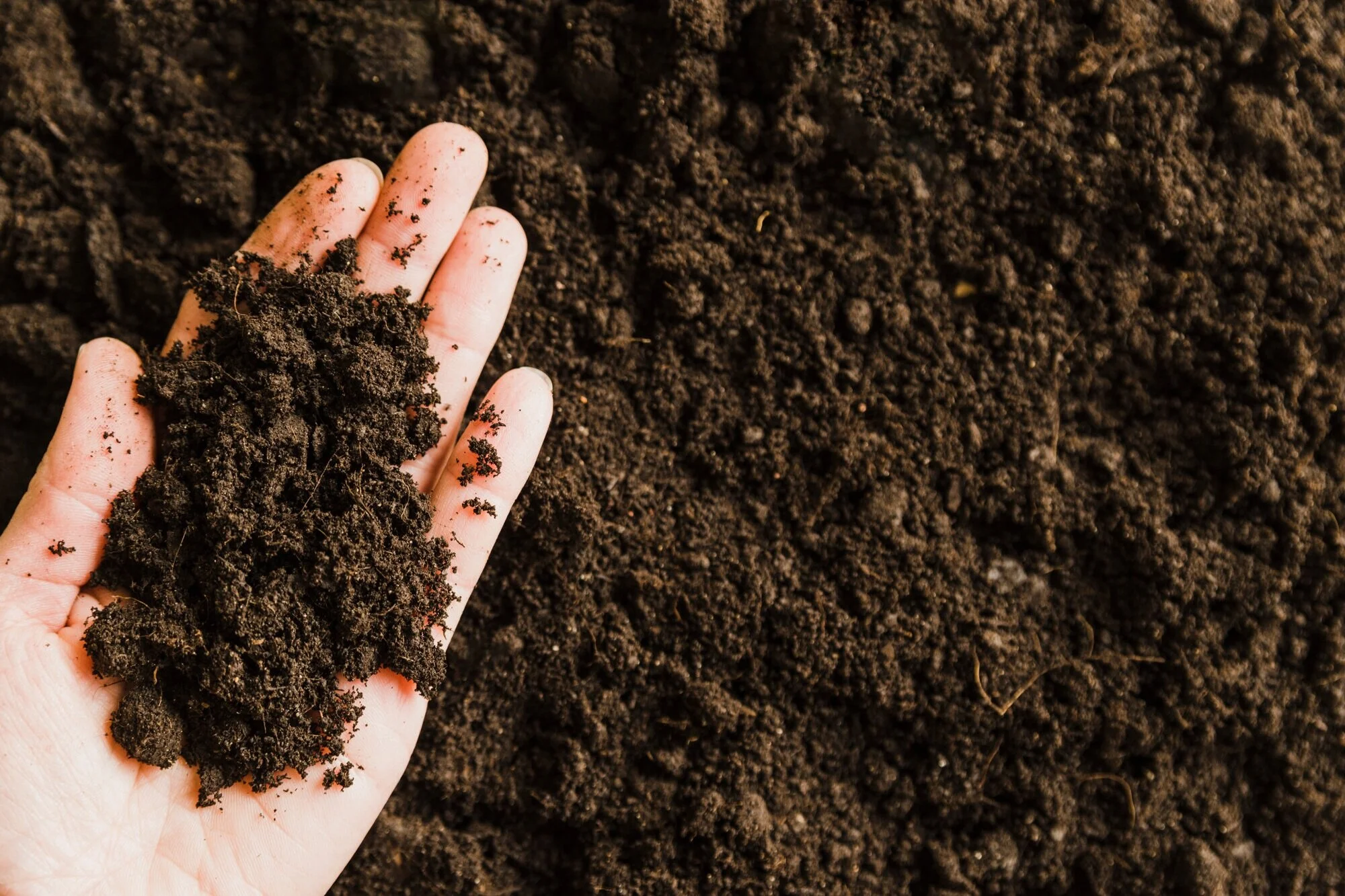
Preparing the soil before and planting will improve the growing conditions. Soil with plenty of organic matter will benefit plant growth and help the plants to flourish and produce great blooms.
Generally flowering plants do best in soil that's well-drained with a lot of organic material added such as garden compost or manure from time to time. Surface weeds should be removed to prevent competition when plants are smaller. Adding compost or organic matter in newly planted subjects is also a good idea as in nurseries they are grown in compost and will need time to develop roots more adjusted to heavier soil conditions.
Planting Flowers
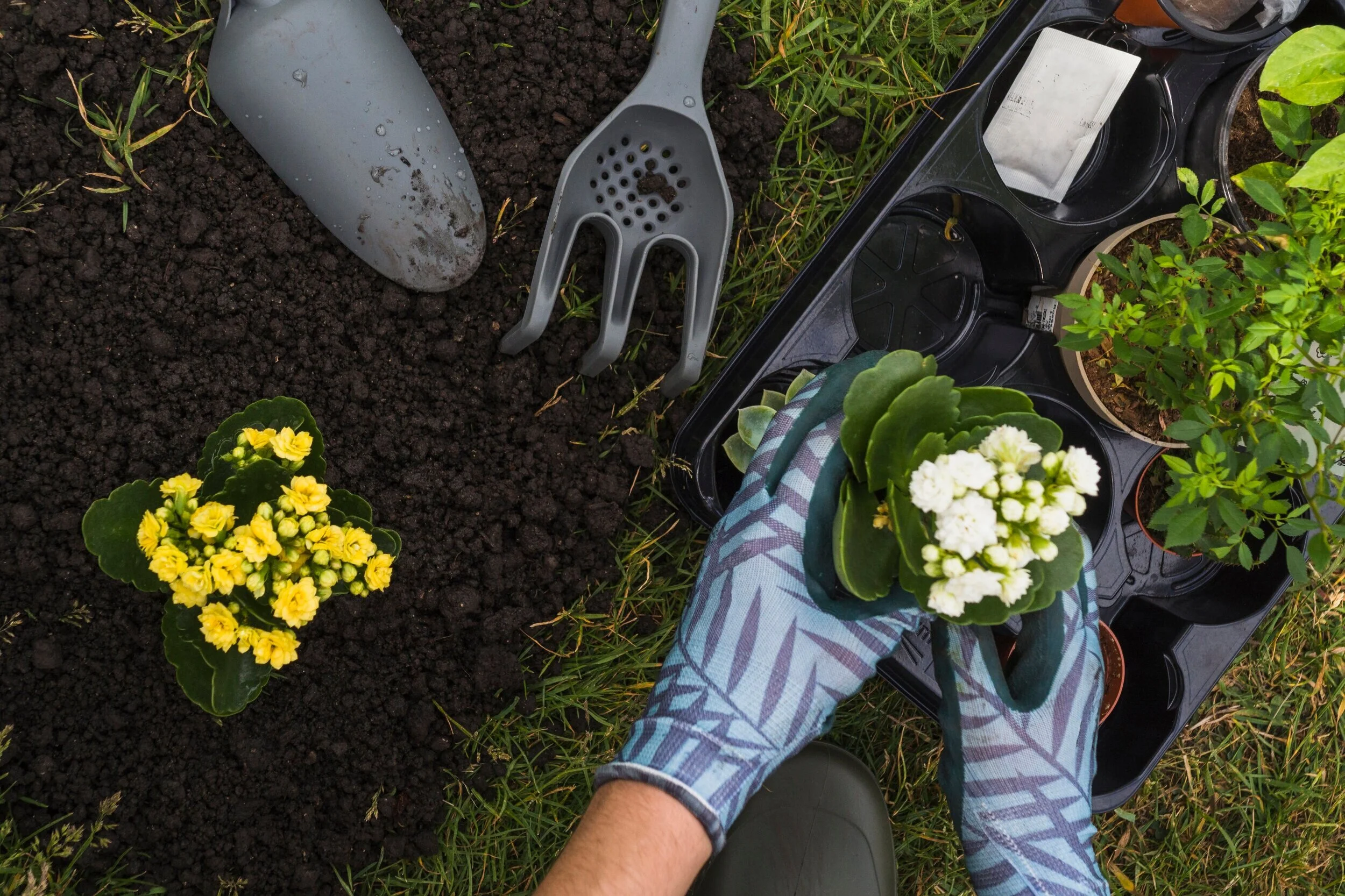
Planting between annuals and perennials is different. Annuals can be planted close together to create a bank of colour and can be mixed to allow for different bloom periods. With perennials, plant allowing adequate space between plants in order to provide room for roots to grow and to become larger the following seasons.
Top Tip
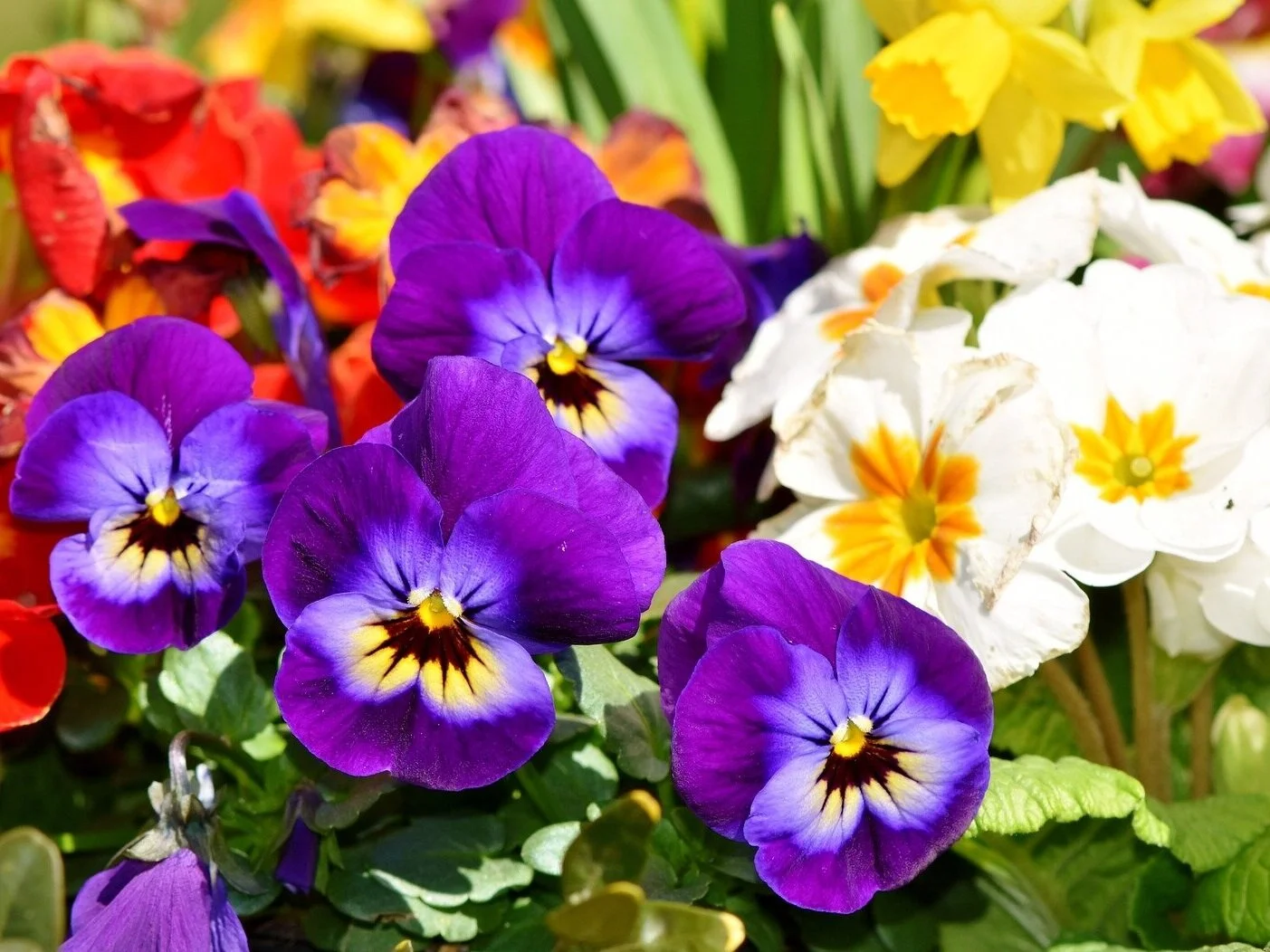
Mixing perennials and annuals in beds is a great idea for long lasting colour and having colour at different heights.
Many flowering perennials such as buddleias and hydrangeas are best planted in the autumn so they have a chance to build roots and flower in their first full season.
For annuals, seeds can be sown in early autumn or in spring after the harder frosts have finished. Some cold is good as many seed types need a cold period to germinate.
Planting softer annuals and perennials is best done after any frost has finished as they will still be tender.
Many plants such as bedding plants zinnias, periwinkle and tropical annuals needs to be planted in late spring/early summer as they need warmer soil.
Choice of location for Flowers
It is important to assess whether the plants like sun, shade, or a combination of both. Check the label that comes with the plant or the instructions on the seed packet in order to see what growing conditions are the most suitable.
Feeding flowering plants
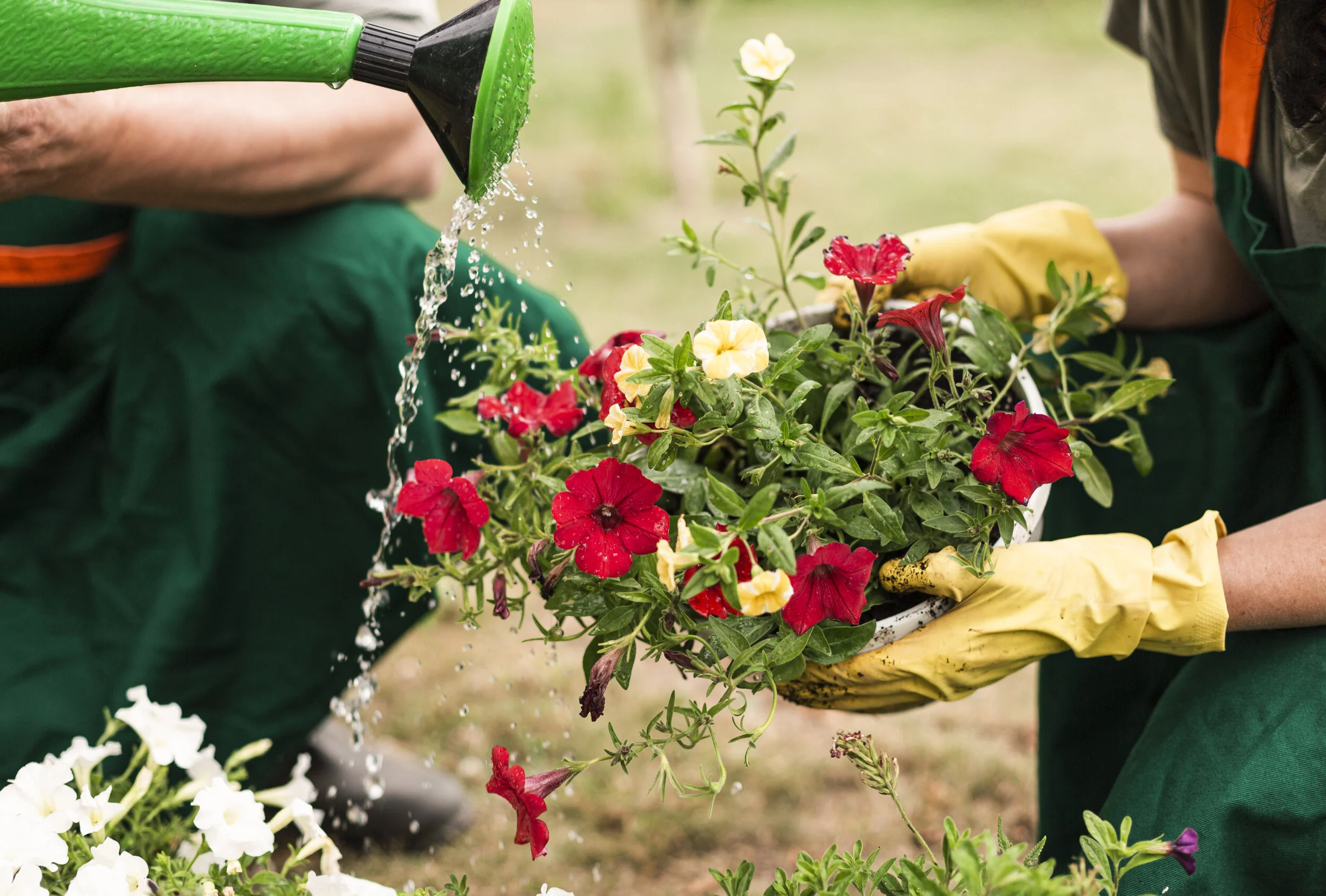
With flowering plants the location depends upon the type of feeding required. If plants are perennials and grown in beds, the addition of garden compost, mulches of bark or other plant material and manure provide good levels of nutrients as they break down. Generally, this is more nitrogen biased and can be very slow depending upon the soil type, so some supplementary feeding may be necessary for expert blooms. For annuals the area can be prepared for nutrition before planting, however take care not to manure before planting annuals as it produces a great deal of ammonia nitrogen which will slow root production.
Supplementary feeding of flowering plants is best done with a liquid feed as it gives the grower the more control. Flowering Plants like little amounts applied regularly so don’t be tempted to feed for the next month as this can be damaging. Controlled release fertilisers are very popular however, they give the grower no control over how much feed the plants receive and are best added at lower levels to large pots (first season) and hanging baskets.
Top Tip
Feeding with a potassium (K) based feed is the best for producing fantastic blooms. Feed every week for plants in beds during the summer and blooms will be stronger and last longer. Also, with at Gro- Expert, we suggest the addition of calcium as it is essential for cell production and will allow for longer flower stems which are much stronger and will support more blooms.
For annuals in pots or hanging baskets feeding every watering is a great idea. The flowers will establish more quickly and as they run out of root room during the summer, it will keep them looking good right into mid-autumn.
For perennials it is essential they have good nutrition in late summer/early autumn for the next season as they initiate flowers for the following year during that period. Also, having higher levels of potassium in plants as they enter the winter period is beneficial as it allows then to manage cold conditions much better.
Flower pests and disease
As flowering plants and flowers covers such as plethora of plant species the best advice is to treat only as is necessary. Flowers invite thousands of insect species, both good and bad so overusing pesticides is never a good idea as it can kill predatory insects that would naturally predate on pests.
Certain species can be overrun such as roses which are a favourite of aphids. In this situation try and use a soft organic pesticide soap or wetter which physically suppresses insects and will not damage blooms.
Also insects are very selective about what they feed on and will predate on weaker plants are they have softer plant tissues. A well-fed strong plant is harder to feed on and insects do not wish to spend time chewing through leathery plant tissue and will therefore dine somewhere else. This is the same with diseases, which are mainly opportunist diseases spread by the wind or by water. Again, a stronger plant will have a strong immune system and will fight off infection much better than hungry or water stressed one.
Top Tip
In Gro-Expert’s flowering feed pack is a natural silicon. Silicon is the glue that plants build cells with and leaf cuticles have higher levels of it for protection against predation and infection from disease. By applying in every feed, we ensure the plant has lots of it to use to build the strongest cells and cuticle possible so insects leave plants alone and diseases find it much more difficult to infect them.
Top Growing Tips

For seeds keep the soil moist as that helps them germinate and sprout.
Make sure that the plants are well watered as they cannot use nutrition without it.
Don’t overwater soil or water during periods of rain. Waterlogged soil inhibits root activity and if left wet for too long will collapse and may rot.
Adding mulch (about 5cm/ 2”) right up to the plant crown for perennials is a good idea as it keeps the soil moist and protects roots from frosts - do this annually.
Always remove dead flowers as it protects from disease infection and will stimulate further flower production in many species.